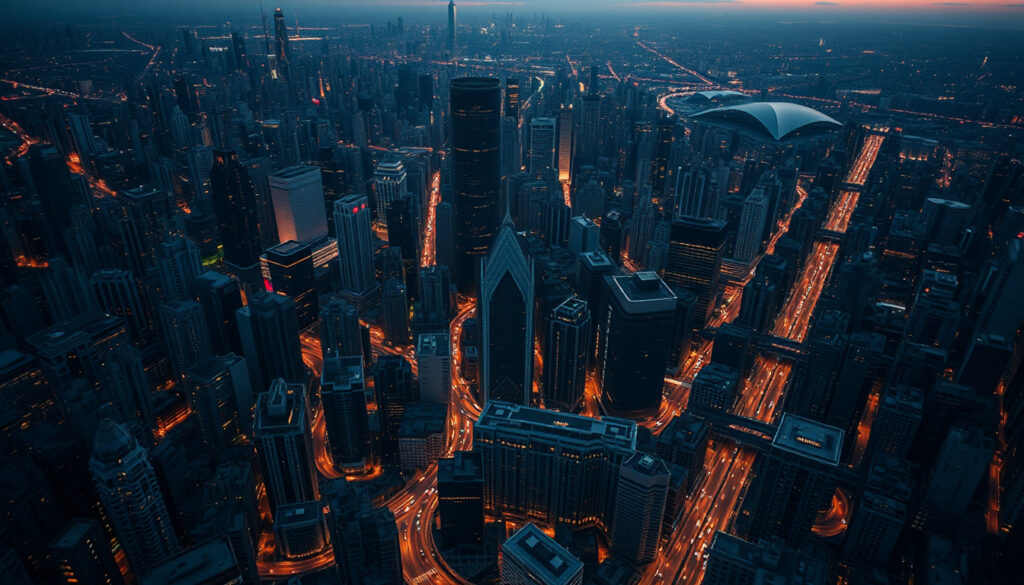
Most Populated City in the World 2025: Rankings & Facts
Ask a geographer, a demographer, and a traveler to name the most populated city in the world, and you’ll get three different answers—all backed by solid data. The catch is that “city” can mean a tight administrative boundary, a sprawling urban area, or an entire metro region. The United Nations’ 2025 data booklet awards the title to Jakarta, with close to 42 million people, but Shanghai tops the list by another widely used definition.
Most populated urban area (UN 2025): Jakarta, Indonesia (42 million) ·
Most populated city proper: Shanghai, China (24.7 million) ·
Number of megacities (over 10 million): 33 ·
Largest city by land area: Chongqing, China (82,403 km²)
Quick snapshot
- Jakarta leads by UN urban area definition (42 million) (United Nations (primary demographic authority))
- Shanghai leads by city proper (24.7 million) (World Population Review (data aggregator))
- Guangzhou urban area is largest at 73.6 million (Britannica (reference publisher))
- Exact population numbers vary widely by source and definition
- Future projections are estimates that may shift due to policy or migration
- Karachi’s rank depends on whether city proper or metro is used
- Tokyo was most populous for decades, overtaken by Jakarta in 2025 (United Nations) (Times of India (news network))
- Delhi projected to become most populous by 2028 (Times of India (news network))
- Delhi projected to become most populous city globally (UN Population Division)
- Africa leads urban population growth through 2030 (UN Population Division)
Five key metrics, one recurring theme: population rankings shift dramatically depending on the yardstick used.
| Metric | Value | Source |
|---|---|---|
| Most populated urban area (UN 2025) | Jakarta, Indonesia (42 million) | United Nations (primary demographic authority) |
| City proper leader (2026 est.) | Shanghai, China (24.7 million) | World Population Review (data aggregator) |
| Largest urban agglomeration | Guangzhou, China (73.6 million) | Britannica (reference publisher) |
| Number of megacities (>10 million) | 33 | United Nations (primary demographic authority) |
| Largest city by administrative area | Chongqing, China (82,403 km²) | Wikipedia (user‑generated encyclopedia) |
| Fastest growing city (annual) | Gwagwalada, Nigeria (6.1%) | BBC News (public service broadcaster) |
Relying on a single “most populated” statistic hides a complex reality of varying methodologies and regional demographic dominance. The UN’s urban agglomeration figure is the global standard, but city-proper data remains crucial for municipal planning.
This distinction between definitions is critical for interpreting any claim about the world’s largest cities.
What is the top 10 most populated city?
Which cities are in the top 10?
- Jakarta, Indonesia — 42 million (UN urban agglomeration) (United Nations)
- Dhaka, Bangladesh — 37 million (UN urban agglomeration) (United Nations)
- Shanghai, China — 24.7 million (city proper) (World Population Review)
- Delhi, India — 30.2 million (UN urban agglomeration) (Wikipedia (user‑generated encyclopedia))
- Tokyo, Japan — 37.2 million (urban area) (Ontario Tech University (research institution))
- Karachi, Pakistan — 16–20 million (varies by definition)
- Guangzhou, China — 73.6 million (urban agglomeration) (Britannica)
- Mumbai, India — 20.6 million (metro) (Ontario Tech University)
- Manila, Philippines — 13.5 million (city proper)
- São Paulo, Brazil — 22.4 million (metro)
What is the population of each?
The table below draws on the UN’s 2025 data booklet for urban agglomerations and World Population Review for city proper figures.
| City | City Proper | Urban Agglomeration (UN 2025) |
|---|---|---|
| Jakarta | ~10.6 million | 42 million |
| Shanghai | 24.9 million | 29.6 million |
| Delhi | 16.8 million | 30.2 million |
| Tokyo | 14.0 million | 37.2 million |
| Dhaka | 10.3 million | 37 million |
How is the ranking determined?
The definition you choose determines the winner. City proper favors compact administrative centers, while urban area gives the crown to sprawling conurbations. The UN’s urban agglomeration metric is the most consistent for global comparisons, but it can lump together multiple municipalities under one statistical umbrella.
This is why Guangzhou appears with a massive 73.6 million figure in some datasets—it includes the entire Pearl River Delta. Understanding the methodology is key to interpreting any “most populated” claim. The implication is straightforward: always ask which definition the source used before declaring a winner.
Who is the most populated city?
What is the current most populated city?
The United Nations’ 2025 data booklet unequivocally names Jakarta, Indonesia, as the world’s most populous city with close to 42 million inhabitants (United Nations). It overtakes Tokyo, which had held the title since 1950. A Forbes (business and finance media) article covering the report notes that the shift “awards the title to Jakarta, overtaking the long-time holder Tokyo.”
How does it compare to others?
Comparing Jakarta to Shanghai highlights the definition gap. Under the city-proper definition, Shanghai leads with 24.7 million residents (World Population Review). The UN’s urban agglomeration figures, however, give Jakarta a clear edge.
| City | UN Urban Area Rank | City Proper Rank |
|---|---|---|
| Jakarta | 1st (42 million) | Outside top 10 |
| Shanghai | 3rd (29.6 million) | 1st (24.7 million) |
| Tokyo | 2nd (37.2 million) | 23rd (14 million) |
| Delhi | 4th (30.2 million) | 2nd (16.8 million) |
What are the projections for 2028?
Jakarta’s win is a win for the UN urban agglomeration definition. If you measure by city proper, Shanghai takes the crown. The real story is the massive growth in South and Southeast Asia.
Demographic projections point to a further shift. According to a Times of India (news network) report, Delhi is projected to become the world’s most populous city by 2028, overtaking Jakarta. This reflects India’s rapid urbanization and population momentum.
Is Karachi the 3rd largest city in the world?
How does Karachi compare to NYC?
- Karachi’s population is estimated between 16 and 20 million, placing it roughly on par with the New York City metropolitan area (~20 million).
- Ranking depends on whether city proper (Karachi ~16 million) or metro (~20 million) is used.
- New York City’s city proper is only 8.4 million, but its metro area rivals Karachi’s size.
What is Karachi famous for?
- Karachi is Pakistan’s largest city and economic hub.
- It hosts the country’s busiest port, handling the vast majority of Pakistan’s trade.
- The city is known for its diverse population, financial district, and cultural scene.
What is Karachi’s population rank?
Karachi is a global megacity by any standard, but calling it the 3rd largest depends entirely on the dataset you choose. Under city proper, it ranks around 6th; under metro area, it hovers between 10th and 12th globally.
Despite common misconceptions fueled by outdated or unclear statistics, Karachi is not the 3rd largest city in the world. The misperception likely arises from conflating city proper figures from decades past with modern metro area estimates. No major current dataset places it in the top 3.
Which city has the biggest area?
Which city has the largest land area?
The largest city by administrative area is Chongqing, China, which spans a staggering 82,403 km² (Wikipedia (user‑generated encyclopedia)). This is roughly the size of Austria.
| City | Country | Administrative Area |
|---|---|---|
| Chongqing | China | 82,403 km² |
| Hulunbuir | China | 263,953 km² |
| Altay | China | 117,988 km² |
| New York City | USA | 1,214 km² (municipal) |
How does area relate to population?
Massive administrative area does not equal massive population. Chongqing proves that geography and density rarely go hand in hand. Much of its territory is rural or mountainous, while cities like Manila pack over 40,000 people per square kilometer into a much smaller footprint.
What are the largest cities by area in the world?
- Chongqing, China
- Siping, China
- Tangshan, China
- Hulunbuir, China
- Altay, China
The dominance of Chinese cities on this list reflects administrative boundaries that include vast rural areas. This contrasts sharply with dense megacities that occupy small land areas but hold enormous populations. The takeaway: area-based rankings tell you more about administrative geography than about urban life.
Where does 90% of the world’s population live?
What does 90% of population living in 10% of land mean?
- It highlights the extreme unevenness of human settlement.
- Vast regions like Siberia, the Sahara, and the Amazon are sparsely populated.
- Over half the world’s population lives in urban areas, which cover less than 3% of the Earth’s land surface.
Which hemisphere contains most people?
Approximately 90% of the world’s population lives in the Northern Hemisphere (Britannica (reference publisher)). The Southern Hemisphere’s landmass is relatively small, with large portions of Australia, South America, and Africa accounting for the remaining 10%.
How does this relate to urban concentrations?
Understanding that 90% of people live on 10% of the land explains why megacities are bursting at the seams. The world’s most populated cities are not anomalies—they are the logical outcome of extreme population concentration in specific regions.
This geographic concentration amplifies the challenges of urbanization: housing shortages, traffic congestion, and infrastructure strain are concentrated in the same small areas where most people live.
How the title of most populated city has shifted over time
- 1950: Tokyo becomes the world’s most populous city, a title it would hold for 75 years.
- 2025: Jakarta overtakes Tokyo as the most populous urban area, according to the UN’s 2025 data booklet (United Nations).
- 2028 (projected): Delhi is projected to become the world’s most populous city, overtaking Jakarta (Times of India).
- 2030: Projected urban population growth continues, with Africa leading the surge (United Nations Population Division).
The shift from Tokyo to Jakarta to Delhi tracks the broader movement of economic and demographic gravity toward South and Southeast Asia. By 2030, African cities are expected to dominate the growth lists, reshaping the global urban hierarchy once again.
This ongoing shift underscores the dynamic nature of urban population rankings.
What we know for sure — and what remains unclear
Confirmed facts
- Jakarta is the most populous urban area as of 2025, per the UN.
- Shanghai is the most populous city proper, according to World Population Review.
- Chongqing is the largest city by administrative area.
- 33 megacities exist globally (over 10 million population).
What’s unclear
- Exact population numbers vary widely by source and definition.
- Future projections are estimates, subject to policy and migration shifts.
- Karachi’s exact rank depends on whether city proper or metro is used.
- How much of the urban growth in Chinese cities is organic vs. administrative annexation.
What the experts are saying
“A new United Nations report has awarded the title of the world’s most populous city to Jakarta, the capital of Indonesia. Overtaking the long-time holder Tokyo.”
“Jakarta, the sprawling capital of Indonesia, has become the world’s most populous city, according to the United Nations, overtaking Tokyo.”
“Shanghai is the largest city in the world by city proper population, reaching over 24.7 million residents.”
What this means for cities and their residents
The battle for the title of “most populated city” is more than a trivia contest—it reflects huge demographic shifts happening in Asia and Africa. For planners in Jakarta, Delhi, and Lagos, the implication is clear: invest in infrastructure and housing today, or face the consequences of unmanaged urban growth tomorrow. For the average resident, the distinction between city proper and urban area can mean the difference between accessing municipal services or falling through the cracks. For a broader perspective on global demographics, see our article on How many countries in the world and stay updated with our Latest world news today.
Frequently asked questions
What is the difference between city proper and metropolitan area?
City proper refers to the population within the official administrative boundaries of a city. A metropolitan area includes the city proper and its surrounding suburbs and exurbs that are economically and socially integrated.
Which city has the highest population density in the world?
While the most populated cities have high total numbers, the highest density is often found in smaller cities. Manila, Philippines, frequently tops density rankings with over 40,000 people per square kilometer in its city proper.
How does population growth affect city rankings?
Rankings change as cities grow at different rates. High growth in South Asia and Africa is rapidly shifting the list, while cities in Japan and Europe may see slower or even negative growth.
Is Tokyo still among the top 5 most populous cities?
Yes, depending on the definition. Tokyo’s urban area remains one of the largest in the world, though Jakarta and Dhaka have overtaken it in UN urban agglomeration rankings for 2025.
What is the smallest city with over 1 million people?
Small, extremely dense cities can still top 1 million residents. Mumbai’s island city proper, for example, packs millions into a very tight footprint.
How often does the UN update its population estimates?
The UN Department of Economic and Social Affairs updates its World Urbanization Prospects report roughly every two years. The 2025 data booklet is the latest authoritative release.
Which country has the most cities in the top 10?
China and India each have multiple cities in the global top 10 by population, reflecting their huge national populations and rapid urbanization.
More related posts
 Home Loan Rates Forecast – 2026 Outlook and Trends
 Sacred Heart College Napier: State-Integrated School Guide
 Stuff The Press Death Notices – Christchurch Search Guide
 Auckland Shelter Dog Destroyed After 3-Year Court Wait
 Wet and Forget NZ: Where to Buy, Price, Reviews & How to Use
 AA Car Insurance Login: How to Access Your Account Online
 Easy Workout at Home: 10-Minute Routines for Beginners
 25 AUD to NZD: Live Rates from 28.35-30.27 NZD Today
