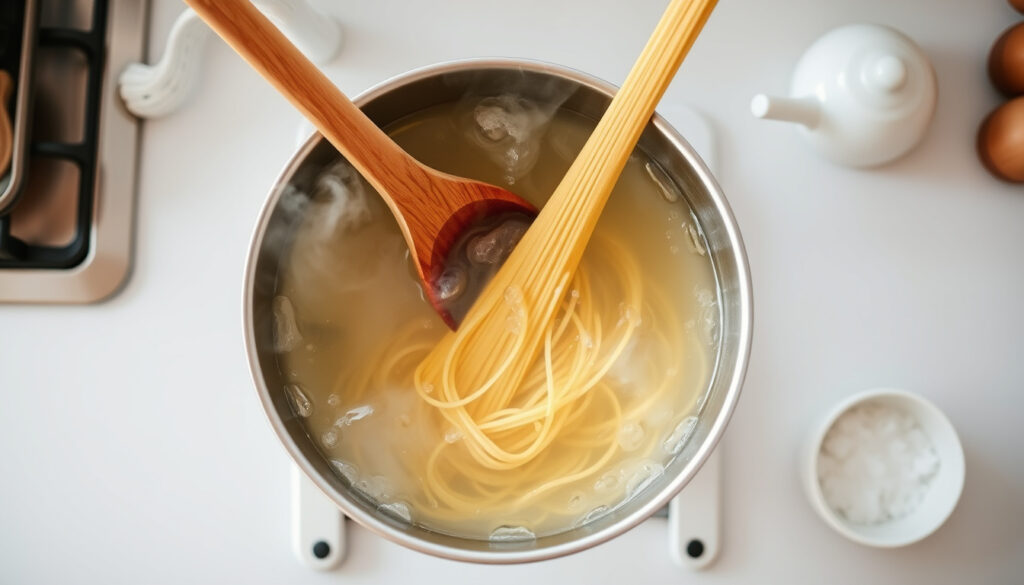
How to Cook Pasta: Step-by-Step Guide & Al Dente Tips
Boiling pasta seems like the easiest thing in the world, yet so many of us end up with a sticky, mushy mess. Getting it right matters more than you might think, whether you’re aiming for that satisfying al dente bite or trying to manage blood sugar levels. Here’s the step-by-step, science-backed method for cooking pasta perfectly, with specific tips for diabetes-friendly options.
Ideal water-to-pasta ratio: 4-6 quarts (approx. 1 liter per 100g) ·
Optimal cooking temperature: 212°F (100°C) at sea level ·
Average pasta cooking time: 8-12 minutes (depending on type) ·
Recommended salt amount: 1-2 tablespoons per pound of pasta ·
Al dente test: Bite test – slightly firm center
Quick snapshot
- Pasta cooks best in boiling salted water (Diabetes UK (leading charity))
- Undercooking slightly and finishing in sauce yields superior texture (Medical News Today (health publisher))
- Whole grain pasta has more fiber and lower glycemic response than white pasta (Medical News Today (health publisher))
- Whether adding oil to pasta water prevents sticking is debated among chefs and food scientists
- The optimal water volume for balancing energy use and ideal texture needs more research
- Exactly how cooling and reheating affects resistant starch formation and glycemic index remains under study
- Current medical consensus (2024) favors whole grain and legume pastas for diabetes management
- The glycemic impact of cooking methods is being examined by groups like Diabetes UK
- Expanded guidance on low-carb pasta alternatives for people with type 2 diabetes
- More studies on resistant starch formation through cooking and cooling methods
The table below frames the story behind the plate with key numbers on pasta consumption, cooking, and glycemic impact.
| Metric | Value |
|---|---|
| Global pasta consumption per capita | 3.3 kg/year (US average) |
| Recommended water per 100g pasta | 1 liter |
| Typical pasta cooking time range | 8-12 minutes (dried) |
| Number of pasta shapes worldwide | over 300 |
| Glycemic index of al dente pasta vs overcooked | Al dente: ~45; Overcooked: ~60 |
How to cook pasta step by step?
How to cook pasta for a beginner?
Start with a large pot — at least 6 quarts for a pound of pasta. Fill it with 4–6 quarts of water (1 liter per 100g pasta) and bring it to a rolling boil. Once boiling, add 1–2 tablespoons of salt per pound; this is the only chance to season the pasta from within. Drop the pasta in and stir immediately to prevent sticking, according to standard guidance from Diabetes UK (leading charity).
Set a timer for 2 minutes less than the package’s recommended time. Start tasting at that point. The perfect al dente pasta should be tender but still offer slight resistance at the center when you bite it. Before draining, reserve at least 1/2 cup of the starchy pasta water — it’s liquid gold for binding your sauce.
What are the 7 steps to boiling pasta?
- Choose the right pot: A 6-8 quart pot provides enough room for pasta to move freely.
- Boil the water first: Never add pasta before the water reaches a full boil.
- Salt the water after boiling: Wait until it’s boiling so the salt dissolves evenly.
- Add pasta and stir immediately: This prevents clumping in the first critical minute.
- Set a timer for 2 minutes under box time: You can always cook longer; you cannot reverse mush.
- Reserve pasta water before draining: The starch helps sauces cling to noodles.
- Drain but do not rinse: Rinsing washes away the starch that helps sauce adhere, as noted in several Medical News Today (health publisher) articles.
How much should I boil pasta?
What is the correct water-to-pasta ratio?
The standard ratio is 1 liter of water for every 100 grams of dried pasta. For a typical 1-pound box (454 grams), that means about 4.5 liters of water. Using less water leads to a higher starch concentration and stickier results, which also affects the glycemic impact of the final dish. Medical News Today (health publisher) notes that insufficient water volume is a common error, especially for beginners.
How long should you cook pasta?
Cooking time varies significantly by shape and thickness. Dried spaghetti takes 8–12 minutes, while fresh pasta cooks in just 2–4 minutes. For diabetes-friendly options, cook whole grain or chickpea pasta until al dente (firm to the bite) to keep the glycemic index lower. Pete’s Pasta (specialty pasta retailer) recommends whole grain penne at 6–8 minutes and chickpea pasta at 7–9 minutes for ideal al dente texture. Use a timer and confirm with a taste test.
The water-to-pasta ratio isn’t just about preventing stickiness — it directly affects starch concentration and, for diabetics, the speed at which glucose enters the bloodstream. More water means more dilution of surface starches and a gentler glycemic response.
Do you put pasta in boiling or cold water?
Should you add oil to pasta water?
Always start with boiling water. Adding pasta to cold water causes the starches to release more slowly, creating a gummy, sticky exterior that ruins texture. Once the water is boiling, you may wonder about adding oil. The short answer: don’t. Oil coats the pasta and prevents sauce from adhering, which is why Serious Eats (food science authority) and most professional kitchens advise against it.
What is the best way to salt pasta water?
Salt the water after it reaches a boil, not before. Adding salt to cold water slows the boil and can lead to uneven dissolution. Use 1-2 tablespoons of coarse kosher salt per pound of pasta. The water should taste like seawater — that’s your benchmark. This method ensures the salt penetrates the pasta evenly as it cooks.
How to make pasta better for diabetics?
Which is the best pasta for diabetes?
Whole grain pasta, chickpea penne, lentil spaghetti, and shirataki (konjac) noodles are top choices, backed by Medical News Today (health publisher) and Diabetes UK (leading charity). These alternatives have more fiber and a lower glycemic index — typically 30–45 compared to 60+ for refined white pasta. Cook them until they are just al dente; a firmer texture further reduces starch digestibility.
For someone with type 2 diabetes, choosing the wrong pasta isn’t just a taste issue — it’s a blood sugar spike that can last hours. A switch from refined to whole grain or legume pasta cuts the glycemic impact roughly by half, making the meal far more manageable.
Can You Eat Pasta With Type 2 Diabetes?
Yes, but portion control is critical. Stick to a cooked serving of about 1/2 cup (roughly the size of a tennis ball). Pair pasta with a lean protein (chicken, fish, tofu) and plenty of non-starchy vegetables — the combination of protein, fiber, and fat slows glucose absorption. For baked dishes, Devotions on Diabetes (diabetes-focused recipe blog) recommends using uncooked whole grain noodles with sauce and baking at 400°F for 35 minutes, using 2 cups water per 3 cups pasta.
What are common pasta cooking mistakes?
10 Common Pasta Mistakes That Ruin Your Noodles
- Using too small a pot: Crowded pasta releases more starch and clumps together.
- Not salting the water: The only chance to season pasta from the inside.
- Adding pasta to cold water: Leads to a gummy, sticky texture.
- Overcooking: Mushy pasta has a higher glycemic index (around 60 vs. 45 for al dente).
- Rinsing after draining: Removes the starch needed for sauce to cling.
- Adding oil to the water: Waste of oil; it just coats the pasta and repels sauce.
- Forgetting to reserve pasta water: The starchy water is the secret to silky sauces.
- Not stirring after adding pasta: First 30 seconds are crucial to prevent clumps.
- Draining without checking the timer: Always taste-test; package times are guidelines.
- Using the wrong water ratio: Too little water = overly starchy, sticky noodles.
How to avoid overcooking pasta?
Set a timer for 2 minutes less than the package’s stated time. When it goes off, pull a piece out with tongs and bite it. The center should be just barely opaque — a white speck of uncooked starch. That’s al dente. As Medical News Today (health publisher) warns, overcooking pasta beyond al dente leads to a higher glycemic impact, making it especially risky for diabetics.
Pasta continues to cook from residual heat even after draining. For perfect al dente, pull the pasta from the boiling water one minute before you think it’s done and toss it directly into the sauce. The brief simmer in the sauce finishes it without overcooking.
Expert voices on pasta cooking
“If you’re using a smaller pot, the water temperature drops too much when you add the pasta, and it takes too long to come back up. The pasta ends up gummy because it’s essentially stewing in starchy water.”
J. Kenji López-Alt, culinary scientist and author, Serious Eats
“Wholegrain pasta is a good option for people with diabetes because it’s a source of fiber and releases energy more slowly. Pair it with plenty of vegetables and a source of protein for a balanced meal.”
Dietitian, Verywell Health (expert medical review)
“The number one mistake home cooks make is not reserving pasta water. That cloudy, starchy liquid is the shortcut to a restaurant-quality sauce without adding cream or butter.”
BBC Good Food editorial team (trusted cooking authority)
The debate among chefs about oil in pasta water is more about philosophy than science. Kenji López-Alt has tested it: oil floats and does little to prevent sticking. The real fix is more water and a bigger pot. For diabetics, the stakes are higher — choosing the right pasta and cooking method can mean the difference between a stable glucose response and a sharp spike.
Common questions about cooking pasta
Should you rinse pasta after cooking?
Only rinse pasta if you’re making a cold pasta salad or using it in a dish where you want it to stop cooking immediately — such as for Asian-style noodle bowls. For hot pasta with sauce, never rinse. The starch left on the surface is essential for helping the sauce cling to the noodles.
How to reheat leftover pasta?
The best method is to reheat it in a skillet with a splash of reserved pasta water or broth. Toss over medium heat until hot, about 2-3 minutes. Avoid the microwave, which tends to create uneven hot spots and a rubbery texture. For cold salads, simply let the pasta come to room temperature before dressing.
How to store cooked pasta?
Store pasta in an airtight container in the refrigerator for up to 5 days. To prevent sticking, toss it with a teaspoon of olive oil before refrigerating. For longer storage, freeze it in a single layer on a baking sheet, then transfer to a freezer bag — it keeps for up to 3 months.
What is the best pasta shape for sauce?
Match the shape to the sauce: long strands (spaghetti, linguine) are best for oil-based sauces and light tomato sauces; short tubes (penne, rigatoni) pair well with chunky sauces and baked dishes; and shapes with ridges (rotini, fusilli) capture pesto and cream sauces. For baked casseroles, rotini and penne work best because they hold their shape.
How to cook pasta without sticking?
Sticking happens for three reasons: too little water, not enough salt, or not stirring after adding the pasta. Use 4-6 quarts of water per pound, add 1-2 tablespoons of salt, and stir immediately and again after 2 minutes. Do not add oil — it’s a myth that oil prevents sticking; it just floats on top of the water.
Is it necessary to cover the pot while boiling pasta?
No, you should not cover the pot. An uncovered pot allows steam to escape, preventing the water from boiling over (which happens due to starch bubbles). If you’re concerned about boiling over, place a wooden spoon across the top of the pot — it breaks the surface tension and stops foam from climbing up.
How to cook pasta in a microwave?
Place pasta in a microwave-safe bowl, cover with water by 1 inch, and microwave on high for 10-12 minutes, stirring halfway through. Let it rest for 2 minutes before draining. This method works best for small quantities (up to 4 ounces) and is not recommended for diabetes-friendly cooking because the texture is harder to control.
Summary
Mastering pasta comes down to three elements: the right water ratio, properly salted boiling water, and a disciplined timer. For the average home cook in the US, the choice between a 6-quart pot and a smaller one determines whether the meal ends up restaurant-worthy or a sticky mess. For someone managing type 2 diabetes, the cooking process itself becomes a health tool — cooking al dente, choosing whole grain or legume pasta, and pairing it with protein and fiber can cut the glycemic impact significantly. The implication for American consumers is clear: trade the convenience of a small pot and generic white pasta for a larger vessel and a smarter ingredient choice, or accept the glycemic consequences.
Frequently asked questions
Should you rinse pasta after cooking?
How to reheat leftover pasta?
Can you cook pasta in a microwave?
How to store cooked pasta?
What is the best pasta shape for sauce?
How to cook pasta without sticking?
Is it necessary to cover the pot while boiling pasta?
More related posts
 How Many Countries in Africa? 54 African Countries (2025)
 When Does Summer Start in NZ? Meteorological vs Astronomical
 Codes for Hunty Zombie April 2026: 10+ Active
 Silver Ferns vs Australia – Constellation Cup 2024 Results
 Easter Sunday Public Holiday – Status Across Australia 2024
 Chocolate Cake Recipe NZ: Secrets to Moist, Rich Cake
 NZD to USD Forecast: Will the New Zealand Dollar Strengthen
 Trade Me Rentals Wellington: Find Houses & Apartments for Rent
